Common Myths About the Human Body and Colonics
When it comes to colonics and digestive health, there is no shortage of opinions - and plenty of misconceptions. Many people feel unsure about what colonics actually involve, whether they are uncomfortable or even if they are necessary at all.
The truth is, colonic irrigation is far from a modern trend. It dates back to ancient Egyptian times where early forms of cleansing were performed using hollow bamboo. While the practice has evolved significantly, the goal remains the same: to support the body’s natural processes and promote better digestive health.
Today, colonics are often confused with enemas; however, they are quite different. Enemas typically involve a small amount of fluid used to relieve the lower part of the colon, whereas colonics work more comprehensively, gently cleansing the whole large intestine using a continuous flow of warm, filtered water. At Bottoms Up, we offer closed colonics using the Rojas technique - a gentle, controlled treatment lasting between 45 and 60 minutes. Clients often leave feeling lighter, refreshed, and re-energised.
Our mission is not just to provide treatments, but to educate. We help our clients better understand their bodies and what they need to achieve optimal wellbeing - especially when it comes to digestive health.
Let’s break down some of the most common myths surrounding colonics and the human body:
Myth one: The body is completely self-cleaning
While the body is designed to detoxify itself, modern life places it under constant pressure. Environmental toxins, processed foods, stress and dehydration can all impact how efficiently the body functions.
Think of it this way - if the body were perfectly self-cleaning in all conditions, would we need to brush our teeth daily? Of course not. Just like oral hygiene, digestive health sometimes needs support.
Myth two: One session is enough
Years ago, it was believed that a single colonic could fully cleanse and restore the colon. Today, we know much more about the complexity of the digestive system.
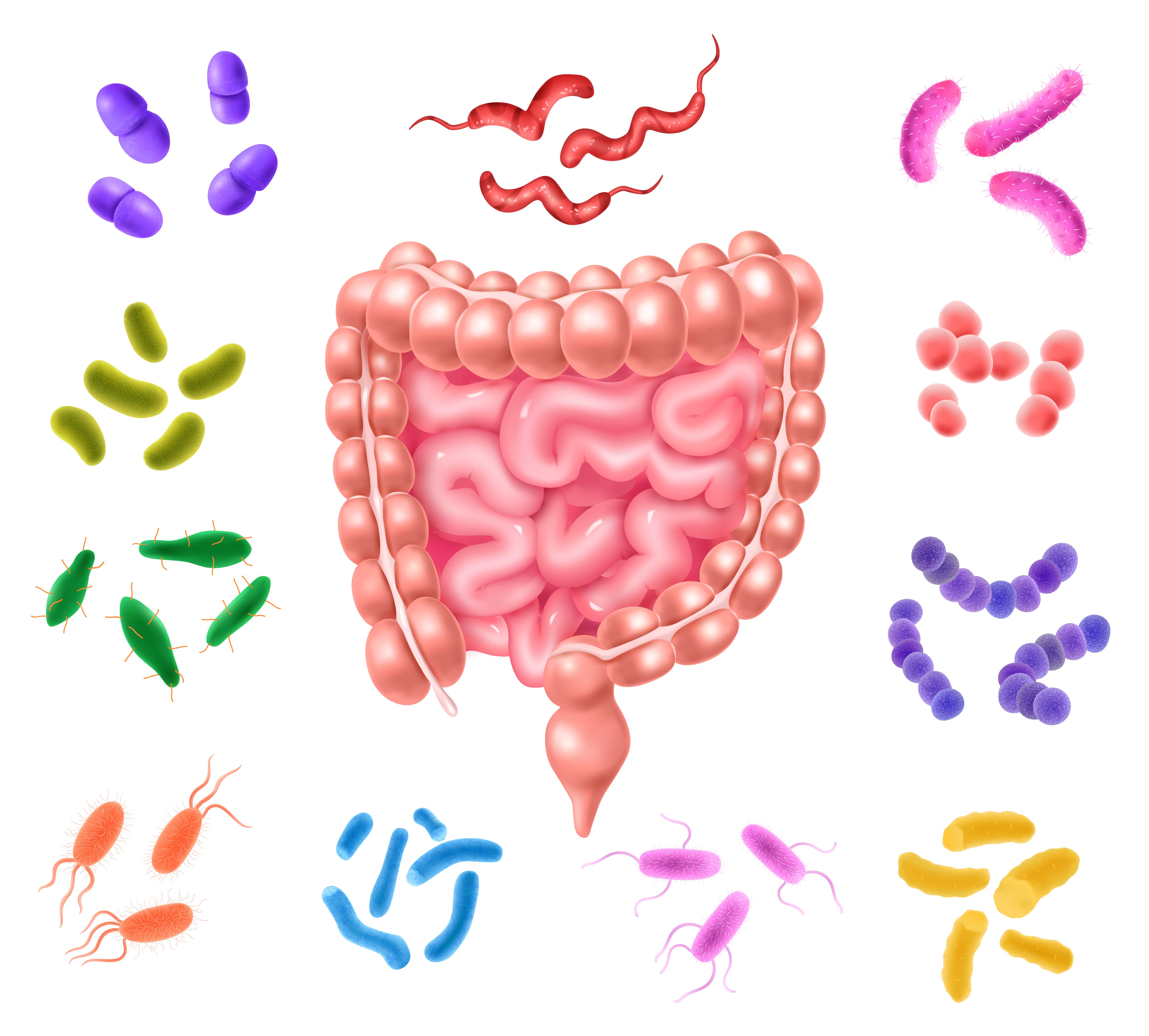
The colon, small intestine and the trillions of microbes living within them - your gut microbiome - all play a role in overall health. True healing and balance do not happen overnight; it is a process that requires consistency and care.
Myth three: Colonics only clean the colon
Traditional approaches to colonics focused solely on the large intestine. However, we now understand that the body works as an interconnected system.
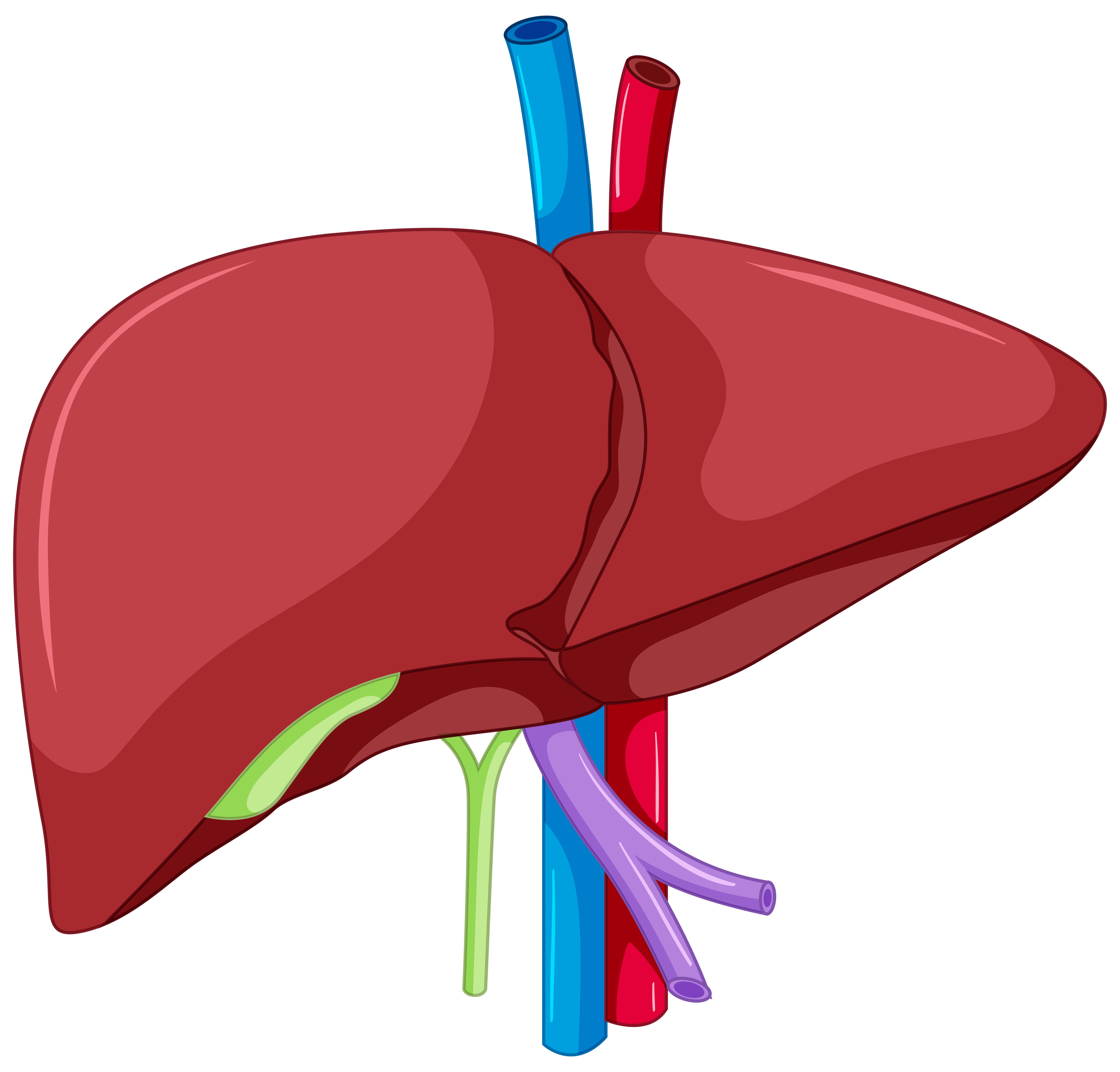
The colon is closely linked to other organs, including the liver through the mesenteric and vascular systems. Hydration also plays a critical role at a cellular level, and dehydration is now recognised as a contributing factor in many health issues.
The Rojas technique we use takes a more holistic approach. It supports the colon, promotes cellular hydration and assists the organs connected to it, making the process far more comprehensive and supportive to overall wellbeing.
A More Informed Approach to Health
Colonics are not about quick fixes - they are about supporting your body in a thoughtful, informed way. By understanding how your body works and challenging outdated myths, you can make better choices for your long-term health.
At Bottoms Up, we are here to guide you on that journey, helping you feel lighter, healthier, and more connected to your body.